Factory and manufacturing environments handle larger volumes of liquid across more varied risk zones than almost any other workplace. A single production line might use hydraulic oil, coolant, cleaning chemicals, and process fluids — all within metres of each other. Getting your spill response right means thinking in zones, not just kit sizes.
Factory-Specific Spill Risks
The liquid hazards in a factory are typically more diverse and higher volume than in workshops or warehouses:
- Multiple liquid types. Production machinery uses hydraulic oil, lubricants, and coolants. Cleaning processes use solvents or detergents. Raw material storage may include chemicals, coatings, or process fluids. Each requires a different absorbent approach.
- Large volumes. Factories often store liquids in IBCs (1000 litres), bulk tanks, and multi-drum compounds. A single containment failure can release hundreds of litres in minutes.
- Machinery areas. CNC machines, injection moulders, hydraulic presses, and production lines all use fluids under pressure. Hose failures, seal blowouts, and overfills are common and can spray liquid across a wide area.
- Transfer and decanting points. Wherever liquid is moved from one container to another — pump stations, filling lines, drum decanting areas — spill risk is significantly elevated.
Zoning Your Spill Response
The most effective approach for factory environments is to zone your spill response by area and risk type. Rather than scattering identical kits around the factory, match each zone to its specific risk:
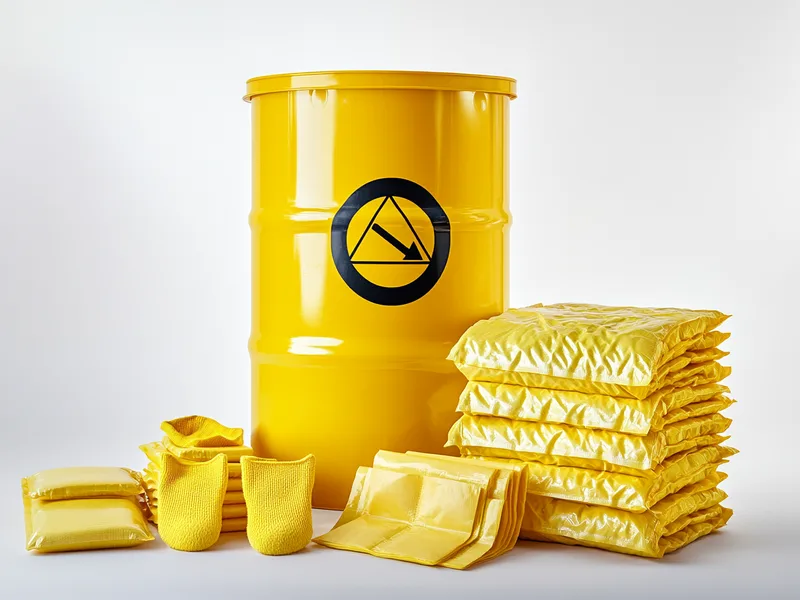
- Production floor / machinery bays: oil-only kits where the primary risk is hydraulic oil and lubricants. Universal kits where coolant and mixed fluids are present. Size to handle the largest single machine's fluid capacity.
- Chemical storage compound: chemical spill kits matched to the specific substances stored. These areas often need the largest capacity kits on site — sized to the 110% rule for the biggest container in the compound.
- Loading and dispatch: universal kits for mixed risks from incoming and outgoing goods. Oil-only kits for vehicle and forklift areas.
- Waste compound: universal or chemical kits depending on the waste streams. This area is often overlooked but is a common source of environmental incidents.
- External yard and drainage: oil-only kits for fuel storage, delivery areas, and anywhere near surface water drains or interceptors.
Recommended Kit Types and Sizes
For a typical medium-sized factory, a well-specified spill response setup includes:
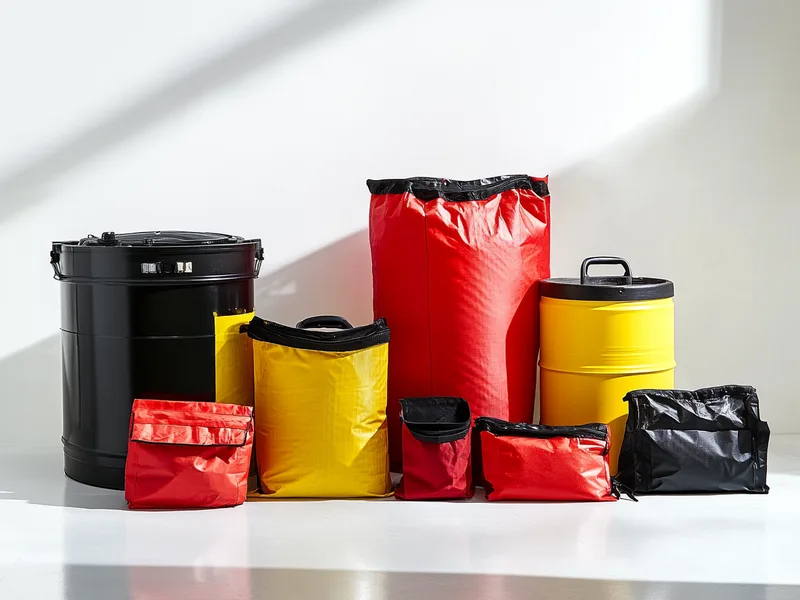
- Small kits (20–50L) at each machine or workstation for immediate response to minor spills. These are the first line of defence and the kits that get used most frequently.
- Medium kits (120–240L) at zone level — one per production area, chemical store, or storage compound. These handle larger incidents and serve as backup to the smaller kits.
- Large kits (600–1000L) for bulk storage areas and IBC compounds where a single container failure could release the full volume.
Browse our full spill kits range for available sizes and types, or see our dedicated factory floor spill kits category for kits specified around production environments.
Spill Station Placement
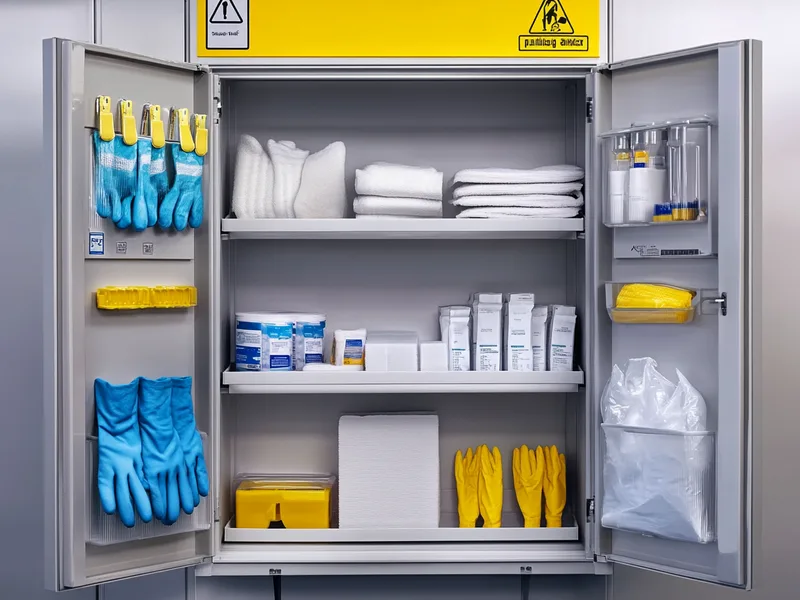
In factories, permanent spill response stations are more practical than relying solely on individual kits. A station holds a larger volume of absorbents, PPE, drain covers, and disposal bags — everything a response team needs in one place.
We recommend placing spill stations at:
- Main walkway junctions — accessible from multiple production areas without crossing the factory floor.
- Adjacent to chemical stores — close enough to respond quickly, but not so close that a major spill would compromise the station itself.
- Near drainage points — floor drains, channel drains, and discharge points are the critical points where a spill becomes a pollution incident. Fast access to drain covers is essential.
- At transfer and decanting areas — these are statistically the highest-risk points for spills in any factory.
Compliance Considerations
Factory environments are subject to multiple regulatory frameworks simultaneously — environmental regulations, COSHH, DSEAR (if flammable liquids are present), and often site-specific environmental permits. Your spill response provision needs to satisfy all of them.
The key compliance points for factories are:
- Kit type matched to each liquid hazard (not a one-size-fits-all approach).
- Kit capacity proportionate to the maximum credible spill volume in each zone.
- Documented inspection and maintenance records.
- Trained spill response personnel on every shift.
- Spill response procedures included in the site emergency plan.
If you are specifying spill response for a factory or upgrading an existing setup, contact us with details of your site and we will put together a zone-by-zone recommendation.