The Control of Substances Hazardous to Health Regulations 2002 — COSHH — do not mention "spill kits" by name. What they require is that exposure to hazardous substances is prevented or adequately controlled, and that you have arrangements to deal with accidents, incidents and emergencies. A spill kit, the right absorbents, and trained responders are how most UK sites evidence that.
This guide covers what an assessor looks for, how to match absorbent type to the substances on your COSHH list, and the documentation that turns a cupboard full of pads into a defensible compliance arrangement. Nothing here replaces a COSHH assessment written for your site — see the HSE's COSHH guidance and Approved Code of Practice L5 for the canonical source.
What COSHH actually requires (Regs 7 and 13)
Regulation 7 requires that exposure is prevented where reasonably practicable, and where it is not, that it is adequately controlled. Accidental release is a foreseeable exposure pathway. If the substance can spill, you need arrangements that keep people away from it and remove it safely.
Regulation 13 specifically covers arrangements for accidents, incidents and emergencies. It requires procedures, suitable first-aid provision, safety drills, and information to employees. In practical terms: a kit they can find, PPE they can wear, and a response they have actually rehearsed.
Why "COSHH-compliant kit" is the wrong phrase
A product cannot, on its own, be COSHH compliant — the regulations apply to the employer's arrangements, not to a piece of equipment. What a well-specified kit does is support COSHH-compliant arrangements. The absorbent is matched to the substance class, the PPE is suitable for the hazard, the labelling reflects the COSHH assessment, and the contents are replenished so the kit is still fit for purpose on the day of a spill.
This matters when you are audited. The assessor will not ask whether the kit is compliant. They will ask to see the assessment, then walk to the kit, and check whether the two match.
Matching absorbent type to substance class
The most common non-conformance we see is a universal kit used to "cover" hazardous substances named in the assessment. Universal absorbents are designed for mixed, non-aggressive maintenance liquids. They are not rated to hold acids, alkalis, or aggressive solvents — the pad can fail, degrade, or release the substance back during handling.
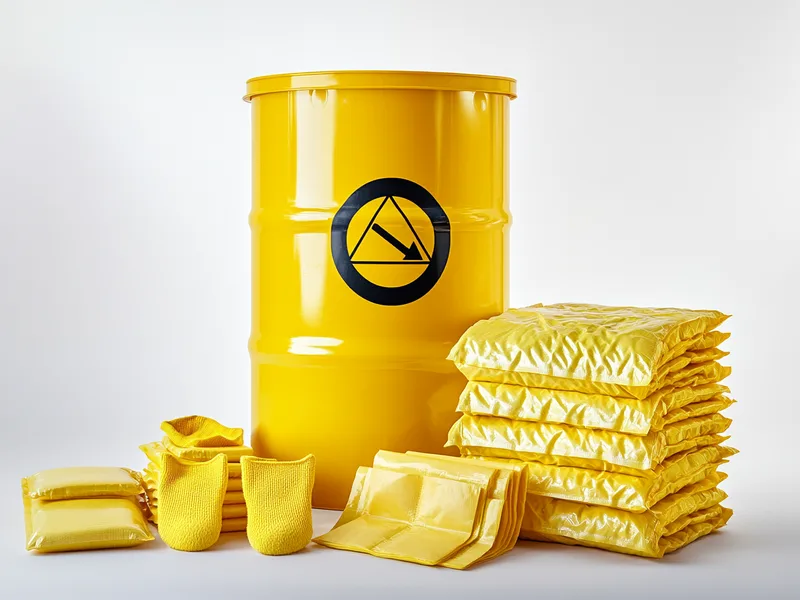
- Acids and alkalis — yellow-coded chemical absorbents rated for pH extremes. Chemical spill kits include neutralising options for some common substances.
- Solvents and flammables — chemical-rated absorbents appropriate to the substance; DSEAR considerations apply if stored or used in quantity.
- Mineral oils, fuels, hydraulics — white, hydrophobic absorbents (oil-only kits) outperform universal where water is present.
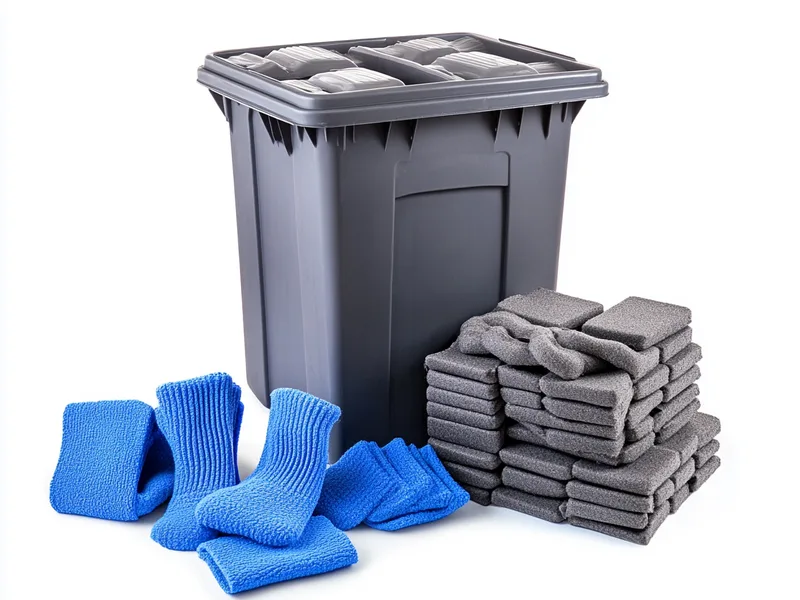
- Coolants and routine maintenance fluids — universal (grey-coded) kits are the right default.
If your COSHH list names a specific substance, check its safety data sheet section 6 (accidental release measures) against the absorbent rating on the kit you hold. If they do not line up, the kit is the weak link.
What an assessor expects to see
- A current COSHH assessment naming the substance, quantity, and location.
- A spill kit within practical reach of that location — sized so that the largest single container can be contained.
- Absorbent type matched to the substance class (see above).
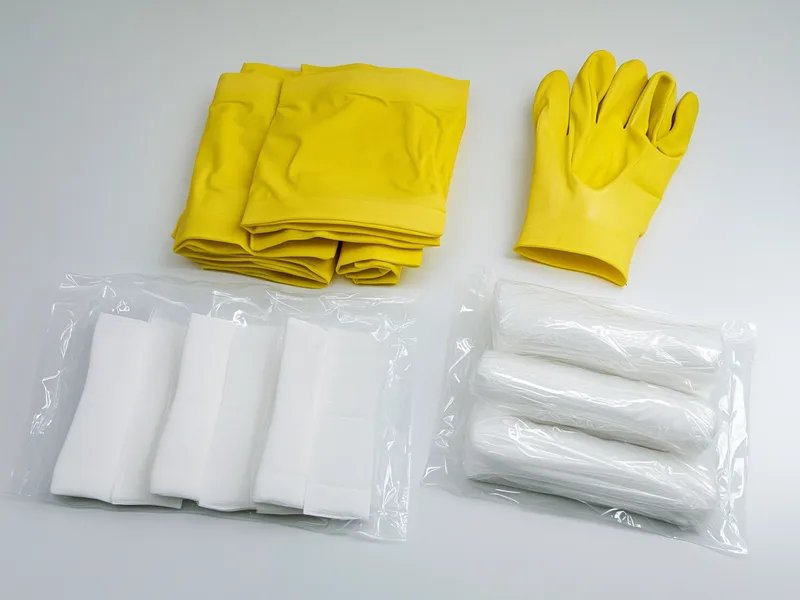
- PPE inside the kit appropriate to the substance: chemical-resistant gloves, splash goggles, face shield where SDS indicates.
- COSHH-required labels on the kit and on the disposal bags — the waste is hazardous until proven otherwise.
- Evidence that staff have been informed and trained on the response (Regulation 12).
- A monthly or quarterly inspection record proving the kit is still complete.
Use our spill response checklist as a starting point; adapt it to the substances on your assessment.
Restocking, refills, and waste
A deployed kit that has not been restocked is a compliance failure waiting to be found. Match your refill packs to the kit spec so the substance class stays aligned, and log every restock against the assessment. Used absorbents contaminated with a COSHH substance are hazardous waste — not general — and need the correct EWC code and transfer note.
When to get help
If your substance list is long, mixed, or contains substances with unusual SDS requirements, a generic "chemical kit" is probably not the right spec. Send us the COSHH list (or even the raw substance list) and we will map it to the right absorbents, PPE, and kit format. Request a COSHH-matched specification or start with our UK workplace requirements overview if you are earlier in the process.