A spill kit that has been used, even partially, is no longer fit for purpose. But knowing exactly when to refill versus when to replace the whole kit — and catching deterioration before an incident — is where good maintenance practice makes the difference between compliance and a costly failure.
Replace After Any Use — No Exceptions
This is the most important rule: any spill kit that has been opened and used must be restocked immediately. It does not matter whether you used one pad or the entire contents. A partially depleted kit may not have enough absorbent capacity to handle the next spill, and a kit with used absorbents returned to it is a contamination risk.
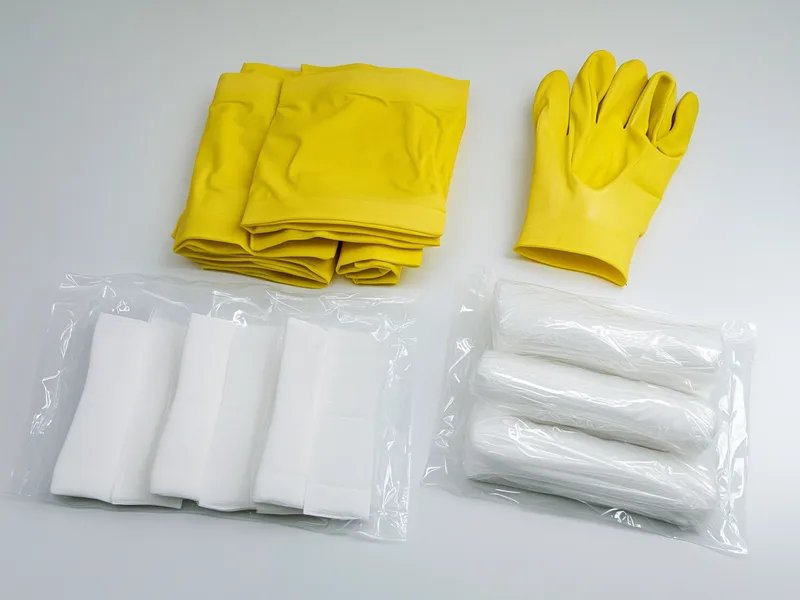
After use, dispose of contaminated absorbents as hazardous or contaminated waste (depending on the liquid absorbed), and restock the kit with fresh materials. Spill kit refill packs are designed to make this straightforward — they contain the exact contents to bring a specific kit back to full specification.
Monthly Inspection Checklist
Do not wait for a spill to find out your kit is not up to scratch. A monthly visual inspection takes five minutes and catches the most common problems:
- Are all contents present? Check against the contents list on the kit or the inventory card. Missing items mean someone has used the kit and not reported it, or items have been borrowed for other purposes.
- Is the container intact? Bins crack, lids warp, and bags tear. A damaged container exposes the absorbents to moisture, dust, and contamination.
- Are the absorbents dry and clean? Absorbents that have been exposed to moisture — even humidity in a poorly ventilated area — lose capacity. Pads that feel damp, stiff, or discoloured need replacing.
- Is the kit accessible? Has anything been stacked in front of it? Has the area layout changed? A kit you cannot reach in under 30 seconds is a kit that will not get used in time.
- Is the signage visible? Can someone unfamiliar with the area identify the kit and its purpose at a glance?
- Are PPE items in date? Gloves degrade over time, especially in extreme temperatures. Goggles can become scratched or clouded. Replace PPE that is no longer serviceable.
Record each inspection with a date and signature. This creates an audit trail that demonstrates ongoing compliance to regulators and auditors.
Signs of Deterioration
Even if a kit has never been used, absorbent materials do not last forever. Watch for these signs:
- Discolouration — pads or socks that have yellowed, greyed, or darkened have been affected by UV light, moisture, or airborne contaminants.
- Brittleness — absorbent pads should be flexible. If they crack or crumble when bent, the polypropylene fibres have degraded and the pad will not absorb effectively.
- Odour — a musty or chemical smell from the kit suggests contamination, mould, or degradation of the absorbent material.
- Packaging damage — if the outer bag or wrapper has been torn, the contents are no longer protected and should be considered compromised.
Refill vs Full Replacement
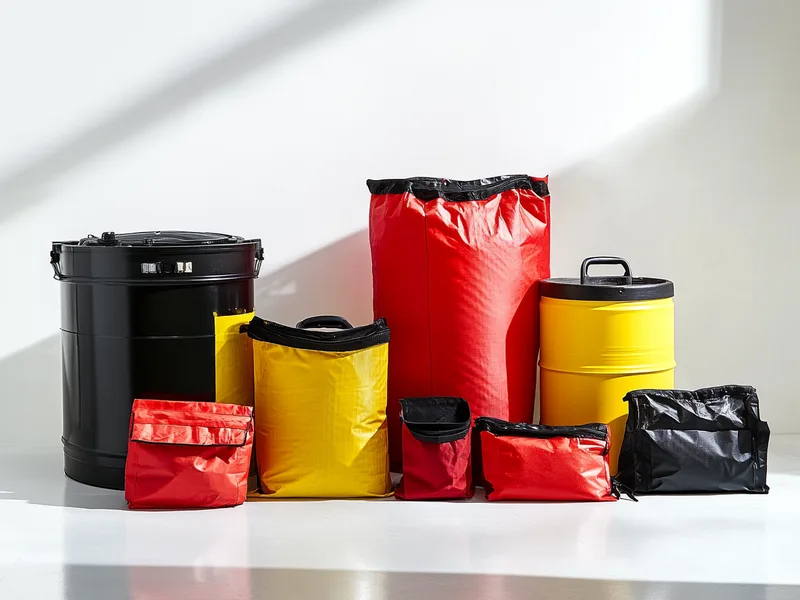
For most situations, refilling is more cost-effective than replacing the entire kit. A refill replaces the consumable absorbents and PPE while keeping the container (wheelie bin, drum, or bag). This makes sense when:
- The container is in good condition.
- The kit specification has not changed.
- The kit has been partially used and just needs topping up.
Full replacement makes more sense when:
- The container is damaged, cracked, or degraded.
- The kit type or size needs to change (because the risk profile has changed).
- The kit has been severely contaminated during a major spill event.
Browse our refill packs to find the right match for your existing spill kits. For topping up between full refills, individual absorbent pad packs are useful for maintenance restocking.
Compliance Audit Tip
When an Environment Agency officer or HSE inspector visits your site, spill kits are one of the first things they check. They are looking for three things: that kits are present, that they are appropriate to the risk, and that they are maintained. Your monthly inspection records are the evidence that ticks all three boxes.
Keep a simple log — paper or digital — that records the date, location, inspector name, and condition of each kit. If any items were replaced, note what and why. This turns a five-minute check into a powerful piece of compliance evidence that costs nothing to maintain.